Marietta’s Best Commercial Architects: Licensed Building Design Services
Elevate Your Space: How to Benefit from Expert Architectural Design Solutions
Skilled architectural design offerings fulfill a crucial part in reshaping environments. Such solutions integrate utility with artistic vision, guaranteeing that every project satisfies functional requirements and aesthetic expectations. Professionals apply innovative strategies and environmentally conscious practices, tailoring their plans to meet neighborhood demands. Still, a great number of people do not realize how these solutions can reveal the hidden possibilities within their surroundings. Exploring the multifaceted advantages of engaging an architect reveals insights that could redefine any space.
Revealing the Worth of Professional Architectural Design
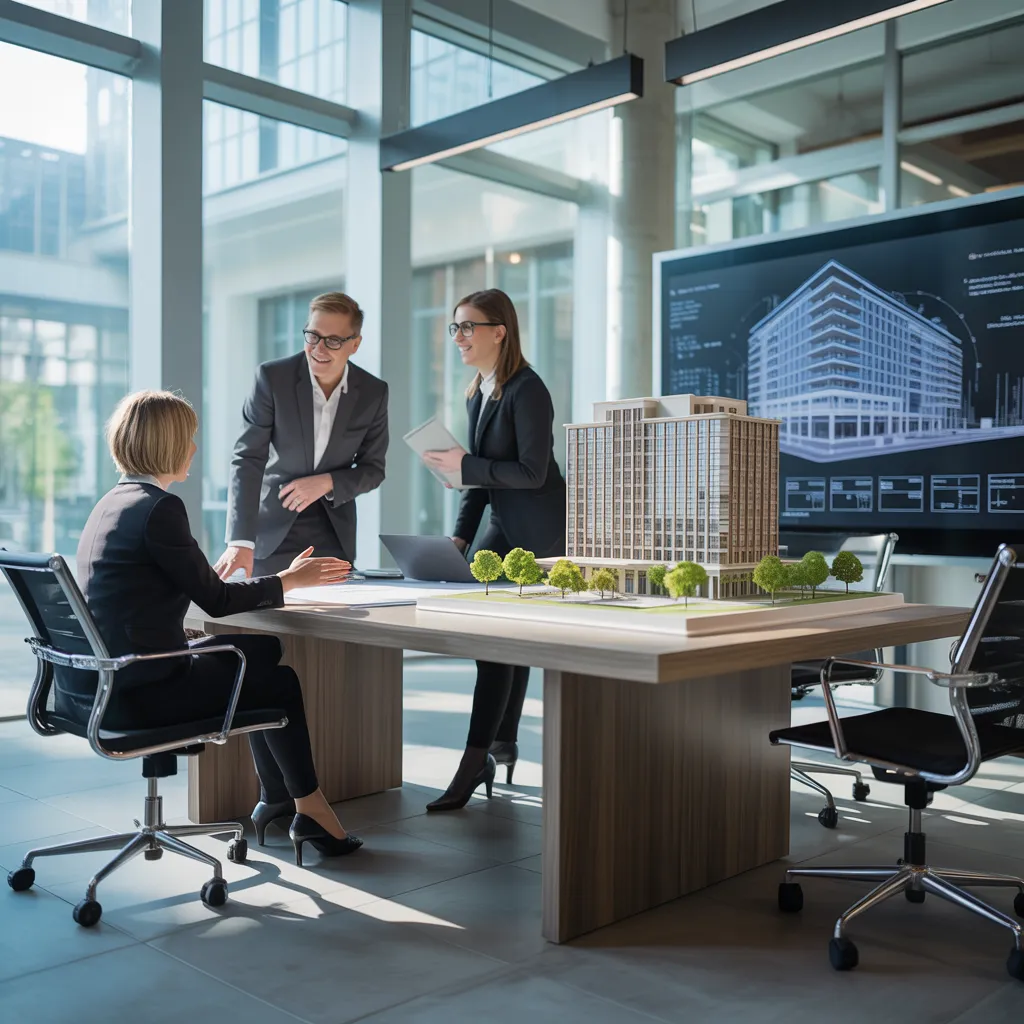
Revealing the importance of professional architectural design is vital for enhancing both functionality and aesthetic appeal in any endeavor. Professional architectural design transcends simple visual appeal; it combines the principles of space planning, environmental sustainability, and structural integrity. By leveraging advanced techniques and a deep understanding of building materials, architects create spaces that are not only aesthetically impressive but also efficient and practical.
Additionally, skilled architects evaluate the distinct circumstances of each project, including local regulations, climate, and community needs. This thorough approach guarantees that the final design is not only innovative but also complementary to its environment. They leverage modern technology, such as 3D visualization, to provide clients with a clear vision of the finished structure. In the end, investing in professional architectural design yields significant long-term advantages, improving both the occupants' experience and the property's overall value.
Primary Reasons to Hire an Architect for Your Design Project
Working with an architect for a design project offers many benefits that improve both the process and the final outcome. Architects bring a depth of knowledge, guaranteeing that projects meet local regulations and building codes, which can avoid expensive problems down the line. Their ability to create detailed plans and specifications helps streamline the construction process, minimizing delays and miscommunication among contractors.
Furthermore, architects are proficient in overseeing projects, coordinating various aspects of both the design and construction stages. This oversight guarantees that schedules and budgets are followed, offering clients confidence. Additionally, architects can recognize potential obstacles in the initial stages of the design process, facilitating early problem resolution. Their knowledge of construction materials and methods often produces innovative approaches that enhance efficiency and promote sustainability. When all is considered, consulting an architect not only transforms the design initiative but also improves the complete experience for clients.
Improving Aesthetics and Functionality Through Architectural Knowledge
Architectural expertise plays an essential role in enhancing both aesthetics and functionality in architectural projects. By employing innovative design solutions, maximizing space utilization, and incorporating environmentally responsible materials, architectural professionals can craft environments that are beautiful and highly functional. This approach not only meets client needs but also encourages sustainable practices.
Innovative Design Solutions
Forward-thinking design strategies reshape environments by effortlessly merging visual appeal with practicality. Design experts employ creative strategies to address varied client requirements while boosting visual impact. By incorporating materials, colors, and forms that align with the natural context, designers create balanced interiors that express personal character. Advanced technology, including 3D visualization and virtual environments, provides lifelike renderings, enabling clients to visualize concepts before implementation. Furthermore, incorporating eco-friendly methods ensures that spaces are both visually appealing and environmentally responsible. Through careful consideration of natural light, spatial dynamics, and circulation, these strategies improve functionality and encourage positive experiences. In the end, creative design cultivates a unique synergy between efficiency and aesthetic appeal, uplifting the essence of modern living and workplace settings.
Space Optimization Techniques
Maximizing space involves strategic planning and design techniques that improve both visual appeal and practicality. Expert architectural design firms utilize methods such as open floor plans, which remove redundant walls and promote a feeling of openness. Multi-purpose furnishings can be introduced to meet diverse needs, ensuring that every square foot is utilized effectively. Moreover, strategic arrangement of windows and mirrors can generate the impression of more spacious rooms, attracting natural light and amplifying visual dimension. Architects further material evaluate circulation patterns, guaranteeing that flow through a space is both seamless and effective. Through focusing on these enhancement strategies, architects transform environments into harmonious areas that not only appear attractive but also address the functional requirements of their inhabitants.
Sustainable Material Choices
With a growing focus on sustainability, architects increasingly turn to sustainable materials that improve both visual appeal and performance. Incorporating materials like bamboo, reclaimed wood, and recycled metal not only minimizes ecological footprint but also brings distinctive character to interiors. These decisions support a balanced design approach, integrating naturally with the surrounding environment. Beyond this, including materials like low-emission paints and thermally efficient glass improves indoor air quality and enhances thermal performance, ultimately benefiting occupant health and comfort. Through the thoughtful choice of sustainable materials, architects design striking spaces that connect with environmentally aware clients. This methodology cultivates a more conscientious approach to architecture, demonstrating that aesthetics and environmental responsibility are compatible, while responding to the urgent call for green innovations in modern architecture.
The Way Technology Influences Contemporary Architectural Designs
In today's world, countless technological advancements profoundly shapes architectural design, revolutionizing how structures are planned and developed. Building Information Modeling (BIM) enables architects to produce intricate 3D representations, facilitating better cooperation between project stakeholders and maintaining exactness throughout the design process. In addition, virtual and augmented reality empower clients to visualize areas ahead of the building phase, making design decisions more informed and intuitive.
Sustainability has also been enhanced through technology, with energy analysis software enabling architects to refine building performance by evaluating energy demands and environmental consequences. Furthermore, innovative materials and building methods, such as 3D printing and prefabrication, simplify the building process, reducing time and costs. Drones and robotics are increasingly used for site surveys and inspections, supplying up-to-date information that boosts accuracy and on-site safety. Ultimately, technology serves to elevate creativity while ensuring that architectural solutions fulfill current expectations for efficiency and environmental responsibility.
Frequent Myths Surrounding Architectural Services
Many individuals hold misconceptions about architectural services, assuming they are unreasonably priced and that architects exclusively deal with building design. This restricted outlook fails to consider the wide variety of services architects deliver, including planning and consultation. Understanding these misconceptions is vital for recognizing the real worth of architectural expertise.
Why Architectural Services Are Pricey
The perception that architectural services are excessively costly often arises from misunderstandings about their worth and range. A great number of clients link substantial fees to a lack of affordability, overlooking the long-term gains that professional design can offer. Architectural services include more than just drawing up designs; they incorporate extensive planning, regulatory compliance, and innovative problem-solving. By committing to these services, clients often reduce expenses in the long run through effective use of materials, reduced construction errors, and increased property value. In addition, the complexity of a project can greatly affect costs, making it important to understand that a well-planned design can lead to significant cost reductions. Ultimately, treating architectural services as an long-term commitment rather than an cost can reshape perceptions and enhance appreciation for their importance.
Architects Exclusively Design Buildings
A frequent misunderstanding is that architects are exclusively concerned with designing structures. In truth, their knowledge and skills reach well beyond simple construction. Architects are involved in urban planning, landscape design, and interior spaces, ensuring harmony between various elements. They work closely with clients to develop practical spaces that improve everyday living. Moreover, architects take part in sustainable development, weaving green practices into their architectural solutions. They often work on public spaces, parks, and community projects, addressing social needs and improving urban infrastructure. Moreover, architects provide valuable insights during renovation and restoration projects, preserving historical significance while adapting to modern needs. This versatile profession highlights their significance in influencing not only structures, but whole neighborhoods and surroundings.
Choosing the Right Architect for Your Design Needs
How does one confirm that the chosen architect aligns with their unique aesthetic vision? Selecting the right architect requires thoughtful evaluation of multiple important aspects. To begin, examining an architect's body of work can offer a glimpse of their aesthetic approach and skill set. This step helps potential clients evaluate whether the architect's past projects aligns with their own aesthetic preferences.
Moreover, effective communication is vital. Engaging in initial consultations gives clients the opportunity to share their thoughts and expectations freely. An architect's ability to listen and respond thoughtfully reflects their dedication to grasping the client's goals.
Additionally, reviewing references and client feedback can uncover the architect's credibility and professional standards. It is crucial to establish that the architect has experience relevant to the scope of the project, whether for residential or commercial purposes. Conclusively, a carefully selected architect can turn a vision into reality, making the hiring process critical for achieving successful architectural results.
Triumphs in Architectural Design
Transforming visions into reality, compelling architectural case studies highlight the significant impact of thoughtful planning and creative execution. A standout example is the reimagining of a historic warehouse into a dynamic community space. Skilled architects thoughtfully maintained historic structural details while incorporating contemporary facilities, resulting in a space that fosters collaboration and engagement.
Another inspiring case involved a eco-conscious housing project that employed environmentally responsible materials and creative design approaches. This practice not only minimized the environmental impact but also established a balanced and comfortable living space, establishing a standard for upcoming projects.
In urban landscapes, the conversion of underutilized spaces into lush recreational areas demonstrates how purposeful architectural vision can strengthen the fabric of local communities. Each example highlights a focus on enhancing functionality and aesthetics, revealing how expert architectural solutions can elevate spaces and improve quality of life. These accomplishments act as compelling evidence of the transformative power of architecture in crafting spaces that endure for generations to come.
Answers to Your Top Questions
What Qualifications Should I Look for in an Architect?
When searching for an architect, one should prioritize qualifications such as a relevant degree, valid professional credentials, a diverse portfolio, excellent communication abilities, and familiarity with the intended project type to ensure productive collaboration and favorable results.
How Long Does the Architectural Design Process Typically Take?
The architectural design process usually spans anywhere from three to six months, based on the complexity of the project, client needs, and regulatory approvals. Strong communication and teamwork can help accelerate this schedule, guaranteeing the final design is delivered on time.
What Are the Expenses Involved in Hiring an Architect?
The costs associated with hiring an architect usually span from 5% to 15% of the complete project budget, based on the complexity and scope. Additional fees may arise for meetings, revisions, and specialized offerings throughout the design process.
Can Architects Help With Permits and Zoning Regulations?
Yes, architects can provide support for permits and zoning regulations. Their expertise guarantees conformity with local building codes, expediting the application procedure and minimizing possible setbacks, ultimately ensuring the successful completion of a project.
How Can I Communicate My Vision Effectively to an Architect?
To interact successfully with an architect, it is essential to prepare visual materials, articulate specific needs, share personal preferences, and stay receptive to recommendations. Clarity and collaboration foster a productive dialogue, guaranteeing that goals are consistent with professional architectural knowledge.
Advance